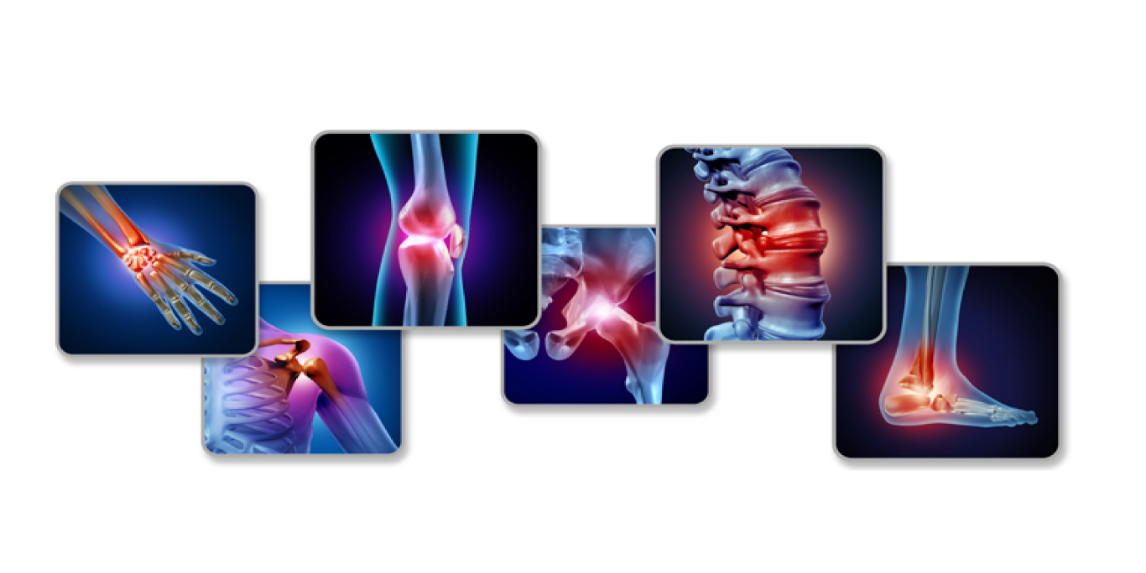
Have you ever woken up with a nagging knee pain that would not go away, or felt your back give out after lifting something heavy? Bone and joint problems are common and can affect your ability to work, exercise, or enjoy everyday activities.
Orthopedics is the medical specialty focused on diagnosing, treating, and preventing conditions that affect your bones, joints, muscles, ligaments, and tendons. Whether you are recovering from a sports injury, managing arthritis, or dealing with ongoing pain, understanding orthopedic care can help you make informed decisions about your health.
At Saada Hospital in Sohar, our orthopedic department in Sohar provides comprehensive bone and joint care for patients of all ages, from common injuries and fractures to complex musculoskeletal conditions. Our team focuses on accurate diagnosis, personalized treatment plans, and helping patients safely return to their daily activities.
In this guide, we explain what orthopedics is, what an orthopedic doctor does, the conditions they treat, and when you should consider seeing a specialist.
Orthopedics is the branch of medicine focused on diagnosing, treating, preventing, and managing conditions that affect the musculoskeletal system, including your bones, joints, muscles, ligaments, tendons, and related structures.
The musculoskeletal system supports your body, helps you move, and allows you to perform everyday activities such as walking, lifting, and exercising. When any part of this system is injured, damaged, or affected by disease, it can lead to pain, stiffness, weakness, or limited movement.
Orthopedic specialists treat a wide range of conditions, from common injuries such as fractures and sports injuries to long-term problems like arthritis, joint pain, and spine-related conditions. Treatment may include non-surgical approaches, rehabilitation, or surgical procedures depending on the patient's condition.
An orthopedic doctor specializes in diagnosing and treating conditions that affect the bones, joints, muscles, ligaments, and tendons. Their role is not limited to surgery - they help patients manage pain, restore movement, and recover from injuries through different treatment approaches.
The first step in orthopedic care is understanding the cause of your symptoms. An orthopedic doctor reviews your medical history, performs a physical examination, and may recommend imaging tests such as X-rays, MRI scans, or other diagnostic tests to identify the problem. You can also learn more about our orthopedic doctors in Sohar and their areas of expertise.
Many orthopedic conditions can improve without surgery. Treatment options may include:
Physical therapy to improve strength, flexibility, and movement
Medications to help manage pain and inflammation
Bracing or splinting to support injured areas
Injections when clinically appropriate to reduce pain and improve function
When non-surgical treatments do not provide enough improvement, surgery may be considered. Orthopedic procedures can include fracture repair, minimally invasive procedures, joint treatments, and joint replacement surgeries depending on the patient's condition.
Recovery is an important part of orthopedic care. A structured rehabilitation plan helps restore range of motion, rebuild strength, and support a safe return to daily activities, work, or sports.
Orthopedics covers a wide range of conditions affecting the bones, joints, muscles, ligaments, and tendons. Orthopedic specialists treat both sudden injuries and long-term conditions that affect movement and quality of life.
Orthopedic doctors help diagnose and treat joint-related problems such as arthritis, joint stiffness, cartilage damage, and pain affecting areas like the knees, hips, and shoulders. Treatment may include medication, physical therapy, injections, or surgical options when required.
Orthopedic spine care focuses on conditions affecting the back and neck, including chronic back pain, slipped discs, spinal injuries, and nerve-related symptoms such as sciatica. Early assessment can help prevent problems from becoming more severe.
Patients experiencing ongoing back or neck problems can also consult our spine department in Sohar for specialized evaluation and treatment options.
Active individuals and athletes may experience injuries involving muscles, ligaments, and tendons. Orthopedic care includes treatment for conditions such as ACL injuries, ligament tears, sprains, tendon injuries, and sports-related overuse problems.
Orthopedic specialists treat injuries caused by falls, accidents, and other trauma, including broken bones, dislocations, and fractures. Proper diagnosis and treatment help support healing and restore normal function.
Orthopedics also manages other conditions affecting movement, including osteoporosis-related bone problems, congenital bone conditions, and musculoskeletal disorders that impact daily activities.
While all orthopedic doctors have broad training in musculoskeletal medicine, many pursue further fellowship training in a specific subspecialty to develop deeper expertise in one region of the body.
Common orthopedic subspecialties include spine care for back and neck problems, foot and ankle for Achilles injuries and instability, shoulder and elbow for rotator cuff tears and frozen shoulder, hand and wrist for fractures and tendon injuries, hip and knee including joint replacement surgery for advanced arthritis, sports medicine for physically active individuals, and pediatric orthopedics for bone and joint conditions in children.
People often confuse orthopedic doctors and rheumatologists because both treat conditions related to joints and movement. However, they focus on different types of problems.
An orthopedic doctor specializes in conditions affecting the structure and function of the musculoskeletal system, including bones, joints, muscles, ligaments, and tendons.
You may need an orthopedic specialist for:
Bone fractures and injuries
Sports injuries such as ligament tears or sprains
Joint pain caused by wear and tear
Back and spine-related conditions
Joint damage that may require procedures such as joint replacement
Orthopedic doctors provide both non-surgical and surgical treatments depending on the patient's condition.
A rheumatologist focuses on inflammatory and autoimmune conditions that affect the joints and other parts of the body.
You may need a rheumatologist for:
Rheumatoid arthritis
Lupus
Gout
Autoimmune-related joint inflammation
Conditions affecting multiple joints at the same time
Rheumatologists usually manage these conditions through medications and long-term disease control rather than surgery.
Which Specialist Should You See?
A simple way to decide:
Injury, fracture, joint damage, or movement problems - Orthopedic doctor
Inflammation, autoimmune disease, or widespread joint symptoms - Rheumatologist
In some cases, both specialists may work together to provide complete care.
Many people delay orthopedic care because they hope pain will improve on its own. However, getting an early evaluation can help identify the cause of the problem and prevent it from becoming worse.
You should consider seeing an orthopedic doctor if you experience:
Persistent bone or joint pain that continues for several weeks or affects your daily activities
Difficulty with movement such as walking, climbing stairs, bending, or using your arms normally
Swelling, stiffness, or tenderness around a joint or affected area
A recent injury from sports, falls, accidents, or sudden impact
A joint that feels unstable or looks visibly different from normal
Limited range of motion that makes regular activities difficult
Numbness, tingling, or weakness affecting your arms, hands, legs, or feet
Difficulty bearing weight on your leg, knee, ankle, or foot after an injury
You do not always need surgery when you visit an orthopedic specialist. Many conditions can be managed with non-surgical treatments, rehabilitation, and lifestyle adjustments depending on the cause of your symptoms.
If it is your first orthopedic visit, knowing what to expect can make the process less daunting.
Your doctor will begin with a medical history review, asking about your symptoms, when they started, previous injuries, and your general health. This is followed by a physical examination of the affected area, checking movement, strength, and pain response. Imaging such as an X-ray, MRI, or CT scan may be ordered to get a clearer picture of the problem.
After the diagnosis is confirmed, your doctor will explain the condition and walk you through treatment options in plain language. The goal is always to find the most appropriate and least invasive solution for your situation.
At Saada Hospital in Sohar, our orthopedic team provides comprehensive care for a wide range of bone, joint, and musculoskeletal conditions. We support patients through every stage of care, from initial diagnosis and treatment planning to recovery and rehabilitation.
Our orthopedic services focus on:
Specialist Evaluation: Experienced orthopedic consultants assess your condition and recommend the most suitable treatment approach.
Accurate Diagnosis: Advanced diagnostic support helps identify the cause of your pain, injury, or movement problem.
Personalized Treatment Plans: Care is tailored to each patient, with both non-surgical and surgical options available when needed.
Recovery & Rehabilitation Support: Structured recovery plans help restore movement, strength, and confidence.
Whether you are dealing with a fracture, sports injury, arthritis, joint pain, or another musculoskeletal condition, our goal is to help you return to your daily activities safely.
Orthopedics plays an important role in helping people manage pain, recover from injuries, and maintain healthy movement. Early evaluation can make treatment easier and improve recovery outcomes.
Do not let bone or joint pain limit your daily life. Schedule a consultation with the orthopedic team at Saada Hospital in Sohar and take the first step toward better mobility and recovery.
To book an appointment, contact us today or call us directly on +968 22389999 or message us on WhatsApp at +968 72223877.

Saada Hospital, a new beacon in Sohar’s healthcare landscape, is excited to announce its official partnerships with all major insurance companies in Oman, including OQIC, LIVA, Nextcare, Mednet, GIG, Metlife, and Greenline Insurance.
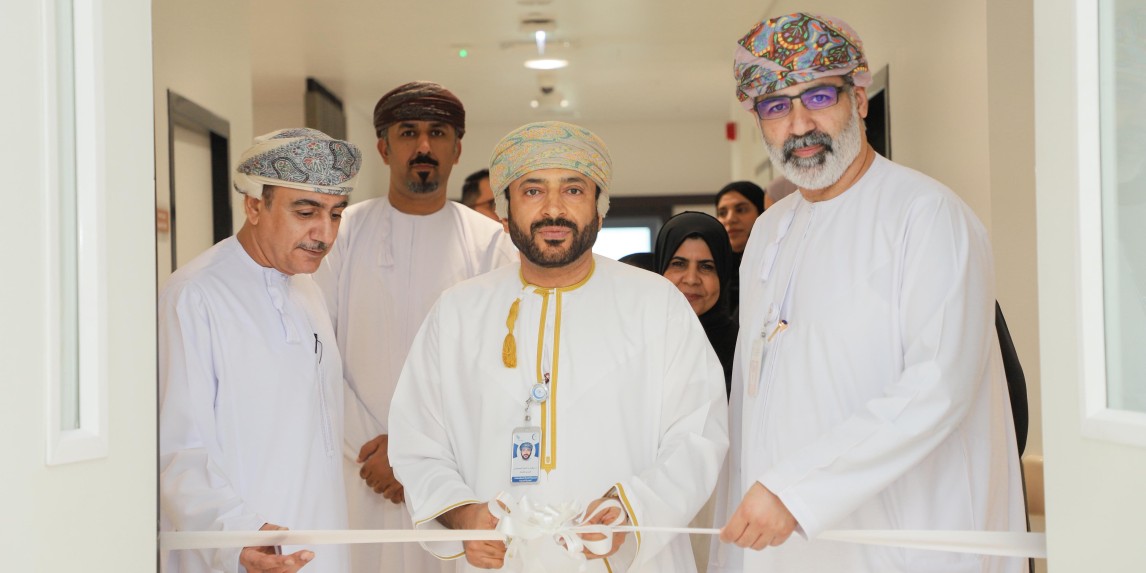
Sohar, Oman– Saada Hospital in the Wilayat of Sohar has received an official commendation from the Ministry of Health, recognizing its excellence in infection control, patient safety, and compliance with national and international healthcare standards.
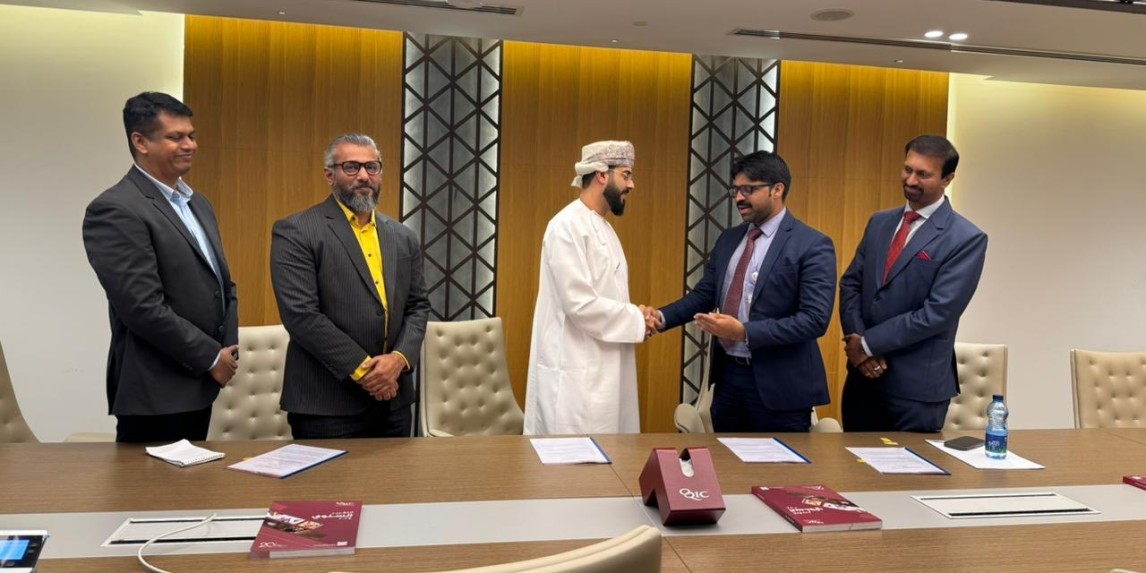
Saada Hospital, one of Suhar’s leading multispecialty healthcare institutions, has signed an agreement with Oman Qatar Insurance Company (OQIC)


